Posted by S.K on 13th Sep 2025
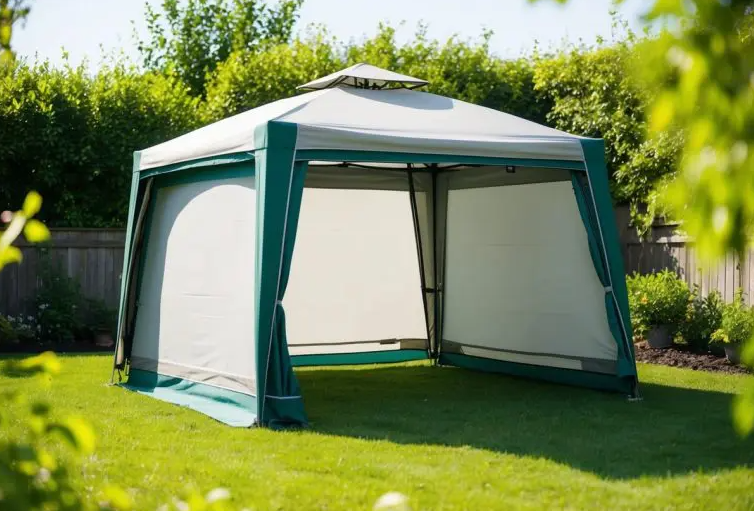
Pop-up gazebos are a popular solution for outdoor events and gatherings, providing fast and convenient shelter from sun or rain without the need for a permanent structure. But how long can you expect these portable shelters to last?

With proper care, a high-quality pop-up gazebo can last five years or more. Its lifespan depends on factors such as the materials, frequency of use, and the weather conditions it is exposed to. Less expensive models may only last a year or two, while more durable options can provide reliable use for many seasons.
The key to extending your gazebo’s life is regular maintenance. This includes cleaning it after each use, storing it correctly when not in use, and addressing minor issues before they become major problems. Selecting a gazebo suited to your specific needs and local climate also helps ensure long-lasting performance.
Key Takeaways
-
High-quality pop-up gazebos can last 5 years or more with proper care and durable materials
-
Regular cleaning and maintenance are essential to extend the gazebo’s lifespan
-
Selecting a gazebo suited to your needs and local climate helps ensure long-term durability
Factors Affecting Gazebo Longevity

The lifespan of a pop-up gazebo depends on several key factors. These include the materials used, how much it’s exposed to the elements, and how often it’s used.
Materials and Durability
The materials used play a major role in a gazebo’s durability. Aluminium frames are lightweight and resistant to rust, making them a popular choice, while steel frames are stronger but heavier and may require proper coating to prevent rust.
Polyester is commonly used for canopies because it is affordable and water-resistant. Fabrics with higher denier counts are thicker and more durable, offering better longevity.
In general, metal gazebos — especially those made from aluminium or steel — tend to last longer than wooden structures. Hardtop gazebos with solid roofs provide the greatest durability, though they are not as portable as pop-up models.
Durability Comparison:
-
Aluminium: Lightweight and rust-resistant
-
Steel: Strong and sturdy, but may rust if not properly coated
-
Wood: Visually appealing, but requires regular maintenance and care
Exposure to Elements
The weather has a big impact on how long a pop-up gazebo lasts. Sun, rain, and wind can all take their toll over time.
-
Sun: UV rays can fade and weaken the fabric
-
Rain: Can cause mould if the gazebo isn’t dried properly
-
Wind: Often the biggest risk, potentially causing tears or structural damage
To make your gazebo more wind-resistant:
-
Secure it with guy ropes and stakes
-
Lower the canopy when it’s not in use
-
Choose a model with vents to reduce the “parachute effect”
Regular cleaning and waterproofing help protect against the elements, and it’s always a good idea to take your gazebo down and store it during severe weather.
Frequency of Use
How often and in what way you use your pop-up gazebo can have a big impact on its lifespan. Frequent setup and takedown can put extra strain on joints and fabric.
If you plan to use your gazebo regularly — for outdoor events, markets, or other repeated use — it’s best to choose a model designed for commercial use, as these are built to handle more wear and tear.
Tips for frequent users:
-
Inspect your gazebo for damage before each use
-
Replace worn or damaged parts promptly
-
Keep a spare canopy on hand
With proper care, a high-quality pop-up gazebo used occasionally can last 3–5 years. Frequent use, especially in harsh conditions, may require replacement sooner.
Enhancing Stability and Safety

Proper anchoring and wind protection are essential to keep pop-up gazebos safe and stable. Here, we’ll explore the key steps to secure your gazebo effectively in any outdoor space.
Importance of Anchoring
Proper anchoring is essential for the safety of your pop-up gazebo. Use pegs and guy ropes to secure the structure. For the best hold, hammer pegs into the ground at a 45-degree angle, and tie guy ropes to each corner, pulling them tight.
On hard surfaces, leg weights are an effective alternative. Fill them with sand or water to add stability — at least 10 kg per leg for smaller gazebos, and more for larger models.
Remember to check your anchors regularly. Pegs can loosen over time, particularly in soft soil, so tighten guy ropes as needed to keep the gazebo stable and secure.
Mitigating Wind Effects
Wind can pose a serious risk to pop-up gazebos, so it’s important to take precautions to improve stability.
-
Use sidewalls: They act as a barrier against gusts and provide extra structural support.
-
Remove the canopy in strong winds: This reduces wind resistance and helps prevent damage. In severe weather, it’s safest to take down the entire gazebo.
-
Consider wind direction: Position the gazebo with a corner facing the prevailing wind to minimize the surface area exposed to gusts.
-
Choose sheltered locations: Setting up near buildings or trees can offer some protection from wind. Just be mindful of falling branches during storms.
Taking these steps can help keep your gazebo secure and safe during breezy conditions.
Care and Maintenance Practices

Regular care and maintenance are essential for prolonging the life of your pop-up gazebo. Routine inspections and prompt repairs can prevent minor issues from turning into major problems.
Routine Inspection and Immediate Repair
It’s a good practice to inspect your gazebo before and after each use. Check for loose screws, torn fabric, or bent frames, and tighten or adjust any parts immediately.
Small canopy tears can often be repaired quickly with a patch kit or waterproof tape. Bent metal frames can usually be gently reshaped, and any rust should be sanded off and treated with rust-resistant paint.
Addressing minor issues promptly is important, as they can worsen over time, especially in harsh weather. Regular, quick repairs help protect your gazebo, extend its lifespan, and keep it safe to use.
Proper Cleaning and Storage
Regular cleaning is essential to keep your gazebo in excellent condition. Use mild soap and warm water for both the frame and canopy, and avoid harsh chemicals that could damage the materials.
Cleaning tips:
-
Brush off dirt, leaves, and debris before washing
-
Rinse thoroughly and allow the gazebo to dry completely
-
Apply a waterproof spray to the canopy once a year
Proper storage:
-
Ensure the gazebo is completely dry to prevent mould
-
Store in a cool, dry place away from direct sunlight
-
Fold the canopy carefully to avoid creases
-
Use a storage bag to protect from dust and pests
-
Store the frame flat to prevent warping
By following these steps, you can extend the life of your pop-up gazebo and keep it looking and performing at its best for many seasons.