Posted by S.K on 13th Sep 2025
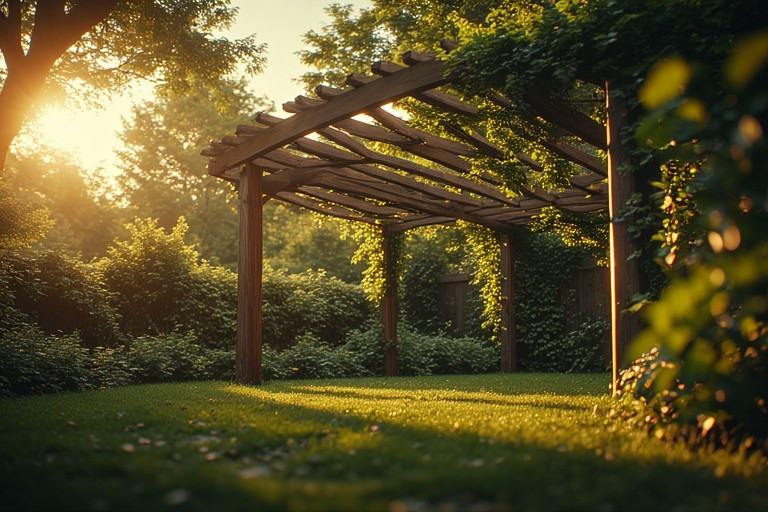
A pergola is a stylish way to elevate your garden or patio, blending beauty with practical charm. Its sturdy vertical posts support an open roof of beams and rafters, creating an elegant focal point for any outdoor area. A pergola offers gentle, dappled shade and the perfect structure for climbing plants — turning your backyard into an inviting retreat you’ll enjoy for years to come.

Pergolas are a popular way to define outdoor living areas or add a shaded walkway to your garden. Available in a range of sizes and styles — from simple wooden frames to elegant metal or low-maintenance vinyl designs — they offer versatility to suit any space. Unlike arbours, which are smaller and arched, or gazebos, which feature solid roofs, pergolas have an open-beam design that feels light and inviting.
When planning a pergola, it’s important to choose materials and dimensions that complement your setting. A thoughtfully designed pergola can transform an ordinary patio into a cosy outdoor room or turn a plain garden path into a stunning tunnel of greenery adorned with flowering vines.
Key Takeaways
- Pergolas are open-roofed structures that add visual interest and partial shade to gardens
- These versatile features can define outdoor living spaces or create shaded walkways
- Careful planning of size, materials, and placement is crucial for a successful pergola project
Defining a Pergola
A pergola is an elegant outdoor structure that brings both style and function to gardens, patios, and other open spaces. Its distinctive design makes it stand out from gazebos, arbours, and other garden features, offering a perfect blend of beauty and practicality.
Fundamental Characteristics
Pergolas are outdoor structures made with sturdy vertical posts that support an open roof of beams and rafters. The roof can be flat or gently arched, and while most pergolas are rectangular, they can also be square or even round. Traditionally built from wood such as oak, Douglas fir, or larch, they’re now also available in metal, vinyl, and fiberglass for a modern, low-maintenance option.
A pergola offers light shade and a perfect spot for climbing plants to grow. It can stand alone or be attached to a building, and some designs include retractable canopies or adjustable slats for extra sun protection. Thanks to their open structure, pergolas allow air to flow freely, helping you stay cool and comfortable on warm days.
Different Types of Pergolas
Pergolas come in a variety of styles to match different tastes and outdoor needs. Traditional wooden designs have a timeless charm that works beautifully in cottage gardens, while modern pergolas made from sleek metal or vinyl offer a clean, contemporary look.
You can choose a freestanding pergola to place anywhere in your garden or patio, or an attached design that extends from your home to create a seamless outdoor living area. Some pergolas include built-in seating or planters, while others are designed to shade specific spots like hot tubs or outdoor kitchens.
Garden pergolas are also perfect for supporting climbing plants and flowers. They can form a lush green tunnel over a pathway, or, in larger sizes, provide stylish cover for patios — making them ideal for outdoor dining, entertaining, or simply relaxing.
Design and Aesthetics
Pergolas offer countless design options to elevate any outdoor space. Let’s take a closer look at the key features that make these structures both stylish and practical.
Material Choices
Wood remains a popular choice for pergolas, bringing a warm, natural charm to any outdoor space. Cedar and redwood are excellent options, thanks to their resistance to rot and insects. For a sleek, contemporary look, aluminium or vinyl pergolas provide durability with minimal maintenance.
Steel pergolas are also becoming a favourite. Their strength allows for wider spans without the need for extra supports. Many homeowners even combine materials — such as wooden beams paired with metal posts — to create a distinctive, custom design.
Composite materials offer another appealing option. They replicate the beauty of wood while requiring far less upkeep, making them perfect for busy households that want the look of timber without the ongoing maintenance.
Decorative Elements
Latticework is a timeless feature that enhances the look of a pergola while providing support for climbing plants. It can be added to the sides or across the top of the structure to create texture and charm.
Decorative end cuts on beams and rafters give a pergola a polished finish. From clean, simple angles to intricate designs, they can complement any style — from rustic to refined.
For extra shade, consider adding a canopy. Retractable styles allow you to adjust for sun or rain, while fixed versions made from weatherproof fabrics provide reliable protection all year round.
Columns and posts also influence a pergola’s overall style. Smooth or fluted pillars, stone-effect wraps, or chunky timber supports can all help tailor the look, whether you prefer elegant, traditional, or rustic designs.
Lighting and Accessories
Thoughtful lighting can extend the enjoyment of your pergola well into the evening. Soft LED strips placed along the beams create a gentle glow, while pendant lights hung from crossbeams add both style and practicality.
For an eco-friendly option, consider solar-powered lights. They’re easy to install and available in a variety of designs to suit any pergola style.
Furnishing your pergola helps turn it into a cosy outdoor living area. Built-in benches save space, while freestanding tables and chairs offer flexibility for dining or relaxing.
Add comfort and personality with outdoor cushions in weather-resistant fabrics, and bring nature even closer with planters filled with flowers or herbs.
Climbing plants can transform a pergola into a lush, living feature. Wisteria, roses, and grapevines are popular choices, offering shade, beauty, and fragrance as they grow.
Functionality and Uses
Pergolas are a flexible addition to any outdoor space. They provide shade, create clear areas for relaxing or entertaining, and fit naturally into your garden or yard.
Shade and Comfort
Pergolas are perfect for creating shaded areas in gardens and patios. Their open lattice roofs let dappled sunlight filter through, giving a comfortable mix of light and shade. For extra coverage, you can add retractable canopies or grow climbing plants like wisteria or honeysuckle across the top.
By blocking direct sunlight, pergolas help keep outdoor spaces cooler on hot days, making them ideal for reading, relaxing, or simply enjoying the fresh air.
In cooler weather, pergolas can be equipped with outdoor heaters or string lights, allowing you to enjoy your outdoor space well into the evening.
Outdoor Entertainment Spaces
Pergolas are ideal for defining areas for outdoor entertaining. They serve as a focal point in the garden and a natural gathering spot for friends and family. Beneath a pergola, you can create outdoor dining areas, comfortable lounging spaces, or even fully equipped outdoor kitchens.
Some popular uses include:
-
Outdoor dining with tables and chairs
-
Cosy seating areas with sofas and armchairs
-
Bar stations for drinks and refreshments
-
Spaces for games and activities
By bringing these elements together, a pergola creates a cohesive outdoor living room. It provides a sense of enclosure while maintaining open views and airflow, making it perfect for parties, social gatherings, and everyday enjoyment.